THU · Aug 6, 2026ResearchBiosecurity
AI-designed viral genomes work in the lab
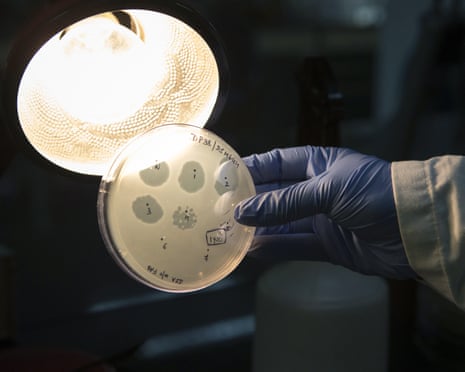
Stanford researchers used Evo1 and Evo2 to design bacteriophage genomes, synthesized candidates, and showed a cocktail could kill E. coli strains resistant to natural phages. Only 16 of nearly 300 tested candidates proved viable, but the key threshold was crossed: a model generated biological designs that worked.
The accompanying commentary was blunt — the ability exists before the governance needed to steer it safely.
WHY IT MATTERS
Generative AI is now producing working biological designs rather than just text. Biosafety and model access are product requirements for this class of tool, not paperwork after the demo.